Concrete Retaining Walls vs Concrete Poured Walls: What’s the Difference?
People seeking to install concrete retaining walls or poured walls aim to improve land stability and support, and local contractors can help choose and build the best option for their needs.
If you’ve been exploring options for enhancing your property's landscape or managing terrain challenges, understanding the differences between concrete retaining walls and concrete poured walls can be a valuable first step. These structures serve distinct purposes and come with unique advantages, making it important for property owners to choose the right solution for their specific needs. Whether you're considering a retaining wall to prevent erosion or a poured wall for foundation support, local contractors are equipped to help evaluate your project and recommend the best approach.
Property owners in the area often find that selecting the appropriate type of concrete structure depends on factors like design preferences, site conditions, and long-term durability. By learning more about concrete retaining walls versus concrete poured walls, you can make informed decisions that align with your goals. Keep reading to discover practical insights and see how experienced local service providers can assist with installation, ensuring your project is completed to your satisfaction.
Get Quotes for Retaining Wall And Concrete Poured Wall Installation
- Retaining wall installation - needed when landscape slopes require support to prevent erosion and improve stability, with local contractors customizing designs to suit specific site conditions.
- Concrete poured wall installation - suitable for creating strong, seamless foundation or basement walls, with service providers focusing on precise forms and reinforcement techniques.
- Retaining wall construction - often chosen for aesthetic or functional reasons in landscaped areas, with local pros offering various materials and structural options.
- Concrete poured wall installation - ideal for load-bearing walls or foundation structures, with local contractors ensuring proper curing and reinforcement for durability.
- Retaining wall installation - necessary for controlling soil movement on uneven terrain, with service providers assessing site needs to determine the best design and materials.
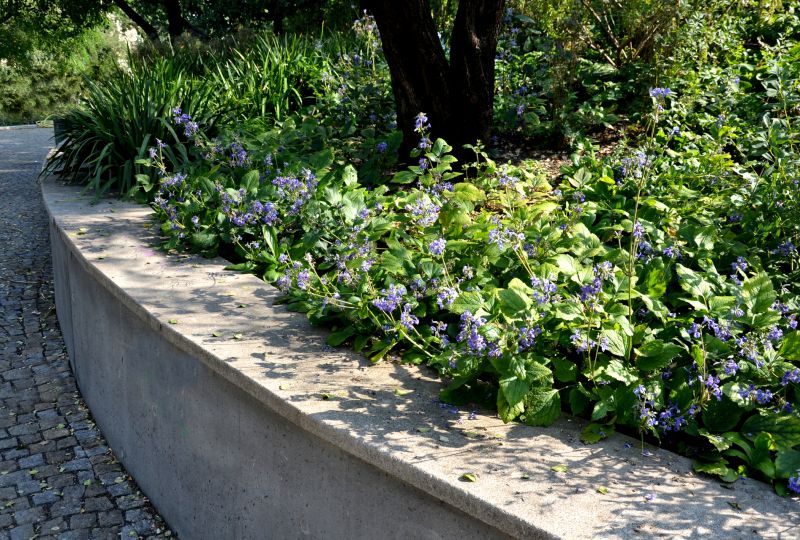
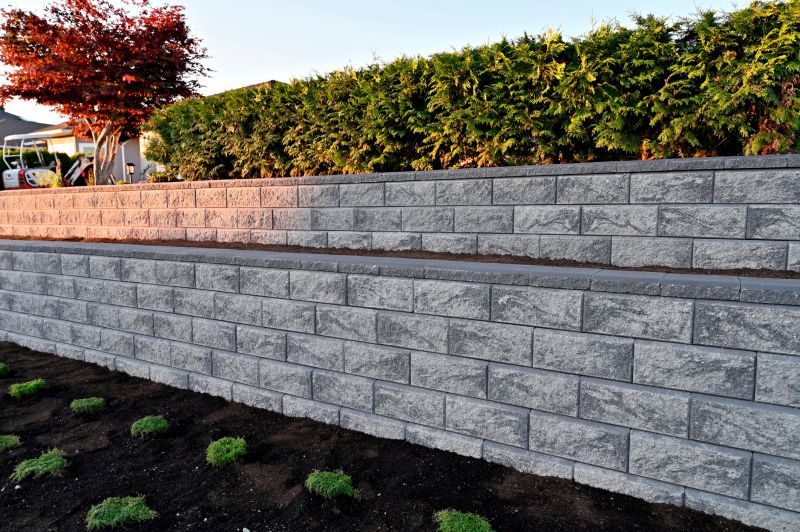
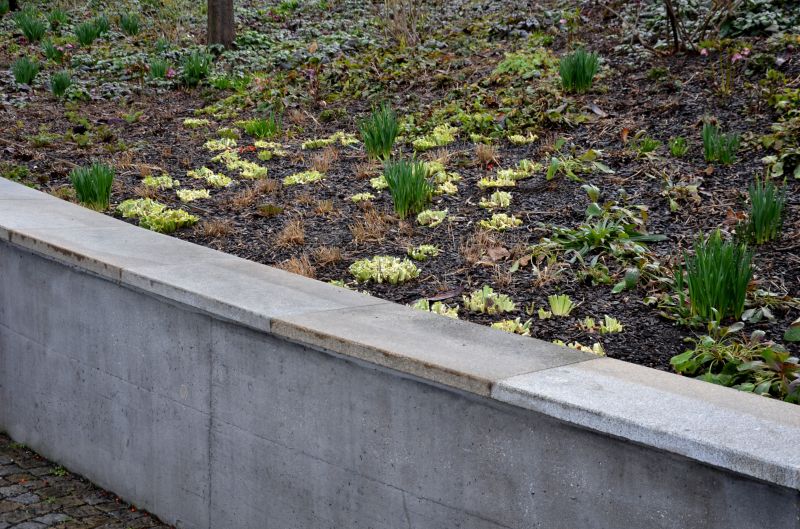
When people search for concrete retaining walls vs concrete poured walls: what’s the difference?, they are often trying to understand which type of structure best suits their property’s needs. This comparison typically comes up during planning for landscaping projects, yard upgrades, or property renovations that involve managing changes in elevation or preventing soil erosion. Homeowners may be considering these options to create level outdoor spaces, build garden terraces, or stabilize slopes. Understanding the fundamental distinctions helps in choosing the right solution for both functional and aesthetic purposes, and local contractors can provide guidance tailored to specific site conditions.
These types of walls relate to a variety of common property problems and project plans. For example, properties with uneven terrain or sloped yards often need retaining walls to hold back soil and prevent shifting or collapse. Additionally, properties that are being developed or landscaped might require these structures to create flat areas for patios, gardens, or driveways. The choice between concrete retaining walls and poured walls is influenced by factors like soil type, load-bearing requirements, and desired appearance. Local service providers experienced in installing both types can assess the site and recommend the most suitable approach to ensure stability and durability.
The properties that typically come up in discussions about concrete retaining walls vs concrete poured walls include residential yards, hillside properties, and commercial sites with grading needs. Residential homes with sloped backyards often use retaining walls to maximize usable outdoor space and improve drainage. Hillside properties may require more substantial structures to prevent soil erosion and landslides. Commercial properties, especially those with parking lots or outdoor storage areas, also benefit from these walls to provide stability and define boundaries. Local contractors familiar with the area’s soil conditions and building codes can help determine which type of wall will perform best for each specific property.
In practical terms, the choice between concrete retaining walls and poured walls depends on the project’s scope and the property’s characteristics. Retaining walls are typically built using modular blocks or panels, making them easier to install and adjust, which can be advantageous for landscape features or curved designs. Poured walls, on the other hand, are cast in place and offer a seamless, monolithic appearance, often used for foundation or structural purposes. Both types require proper planning and skilled installation to ensure long-term stability. Homeowners looking to undertake these projects should seek out local contractors who specialize in both retaining wall and poured wall installation, as their expertise can help select the best option and ensure the work is done correctly for the specific needs of the property.
Landscape Design Projects - landscape improvements often involve the installation of retaining structures or poured walls to create level areas and support soil, requiring similar planning and excavation skills.
Foundation Construction - building foundations for homes or structures involves concrete pouring techniques and site preparation skills comparable to those used in retaining wall and poured wall installations.
Terrace and Patio Installations - constructing terraces and patios may require retaining elements or poured concrete surfaces, utilizing similar tools and planning considerations as wall projects.
Erosion Control Projects - managing soil stability through retaining walls or concrete barriers involves planning and concrete work skills akin to those needed for poured wall systems.
Driveway and Sidewalk Construction - pouring concrete for driveways or sidewalks shares techniques with concrete poured walls, including form setting and finishing skills.
Drainage System Installations - installing drainage features often involves excavating and concrete work, paralleling the skills used in retaining wall and poured wall projects.
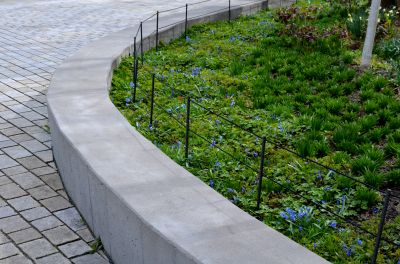
When comparing contractors for concrete retaining walls versus concrete poured walls, it’s important to evaluate their experience with similar projects. Homeowners should inquire about the types of retaining wall or poured wall projects the service providers have completed in the past. Contractors with a history of working on projects of comparable size and scope are more likely to understand the specific challenges and requirements involved. Reviewing portfolios or asking for references related to similar installations can help gauge their familiarity and success with these particular wall types, ensuring the selected professional has relevant hands-on experience.
Clear communication about project expectations is another key factor when choosing between local contractors. Homeowners should seek service providers who can explain the differences between concrete retaining walls and poured walls, including the advantages and limitations of each. A reputable contractor will be able to provide detailed descriptions of the process, materials, and potential considerations specific to the project. Having a transparent dialogue helps set realistic expectations and ensures everyone is aligned on the scope, design, and any special requirements, reducing misunderstandings later on.
Reputable references and good communication are essential when evaluating potential contractors. Homeowners are encouraged to ask for references from previous clients who had similar work done and to follow up on their experiences. This feedback can reveal insights into the contractor’s professionalism, reliability, and quality of work. Additionally, a contractor’s ability to communicate clearly and promptly throughout the planning and execution stages reflects their commitment to customer service. Choosing local service providers who demonstrate transparency, responsiveness, and a history of satisfied clients can help ensure the project proceeds smoothly and meets the homeowner’s specific needs.
Get a Quote for Retaining Wall And Concrete Poured Wall Installation
Property owners often search for concrete retaining walls vs concrete poured walls: what’s the difference? when they are planning practical projects around their homes and businesses. Local pros provide Retaining Wall and Concrete Poured Wall Installation services for everyday jobs and straightforward project options.
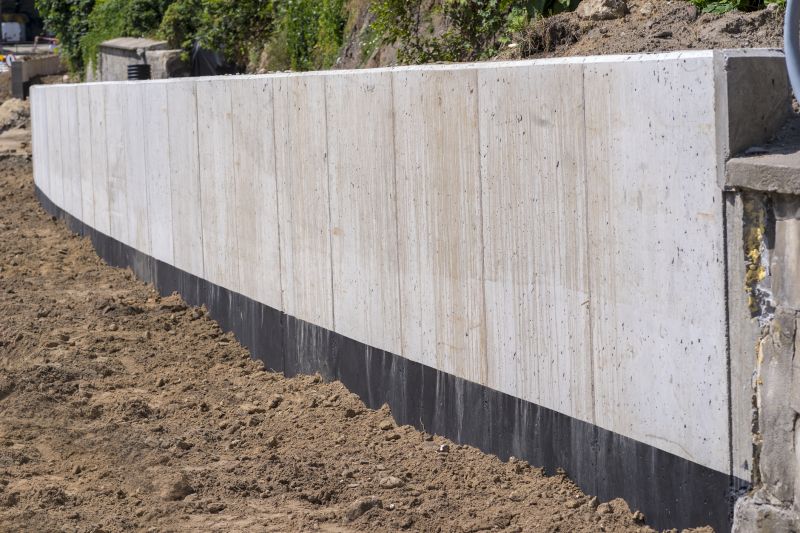
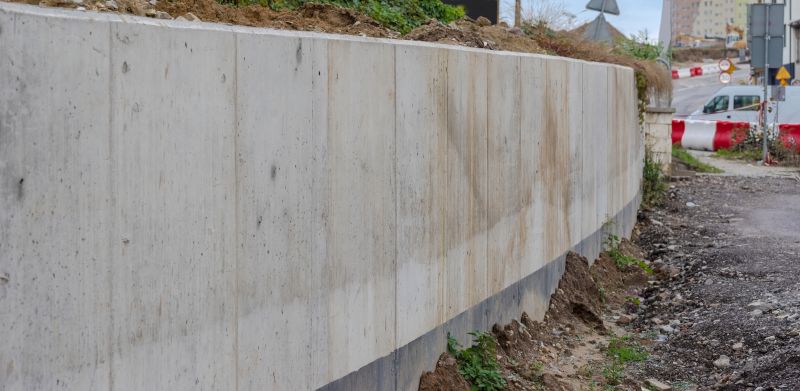
For property owners considering improvements around their yard or landscape, understanding the differences between concrete retaining walls and concrete poured walls can help inform their project choices. Retaining walls are typically built using blocks or other materials stacked to hold back soil, making them ideal for creating level areas on sloped properties or preventing erosion. On the other hand, concrete poured walls are often used for foundation work, basement walls, or structural support, offering a seamless and strong barrier that can be molded into various shapes. When researching these options, many look for local contractors who specialize in either retaining wall construction or poured concrete walls to ensure the right solution for their specific needs.
Choosing between these types of concrete walls often depends on the project’s purpose, site conditions, and aesthetic preferences. Local service providers can evaluate a property’s landscape and provide guidance on which type of wall offers the best durability and functionality. Whether it’s building a sturdy retaining wall to support a garden bed or installing poured concrete walls for a basement foundation, experienced local contractors can handle the installation with precision. Property owners interested in these services can explore their options and connect with professionals who understand the nuances of each wall type to find the best fit for their property’s requirements.
Get a Quote for Retaining Wall And Concrete Poured Wall Installation
What is the main difference between concrete retaining walls and concrete poured walls? Concrete retaining walls are designed to hold back soil and are typically constructed with blocks or panels, while concrete poured walls are solid, continuous structures often used for foundations or basements. Local contractors can help determine which type suits specific project needs.
Are concrete retaining walls more suitable for landscaping than poured walls? Yes, concrete retaining walls are commonly used for landscaping purposes, such as terracing or creating level areas, whereas poured walls are primarily used for structural foundations. Local service providers can advise on the best option for your landscape design.
Can concrete poured walls be used for retaining purposes? While concrete poured walls can be designed to retain soil, they are generally used for structural applications like basements and foundations. For retaining purposes, a retaining wall is usually more practical, and local pros can help with installation options.
What factors influence the choice between a concrete retaining wall and a poured wall? Factors include the purpose of the wall, soil conditions, load requirements, and aesthetic preferences. Local contractors can assess the site and recommend the most suitable type based on these considerations.
How do installation methods differ between concrete retaining walls and poured walls? Retaining walls are often built in segments or with blocks, allowing for easier customization and adjustments, while poured walls are cast in place as continuous structures. Local pros are experienced in installing both types, ensuring proper stability and durability.
Choosing the right wall type - property owners can consider whether a concrete retaining wall or poured wall suits their landscape needs when planning a new garden or slope stabilization project, with help from local contractors.
Assessing structural needs - understanding the difference in strength and durability between concrete retaining walls and poured walls helps property owners decide which option best supports their property’s foundation or outdoor features.
Matching aesthetic preferences - property owners can work with local service providers to select a wall type that complements their property’s style, whether for decorative landscaping or functional boundary walls.
Ensuring proper installation - consulting with experienced contractors ensures that either concrete retaining walls or poured walls are installed correctly to withstand environmental conditions and long-term use.
If you are thinking about concrete retaining walls vs concrete poured walls: what’s the difference? for a property, this guide is meant to help you understand this topic, the typical project types, and how different options might fit your plans.
When you are ready, you can use the quote form on this page to share a few details about your project. From there, local pros can review the basics and follow up with options that match what you have in mind.
Get a Quote for Retaining Wall And Concrete Poured Wall Installation